


Designing Sustainable and Inclusive Communities
In recent years, there has been a growing interest in collective living as a response to the challenges posed by urbanization, housing affordability, and social isolation. Collective living refers to the concept of shared spaces and resources, where residents actively engage in community-building and collaboration. This article delves into the collective living challenge in modern design and explores how architects and urban planners are reimagining the built environment to create sustainable and inclusive communities.
- The Rise of Collective Living
Rapid urbanization has led to soaring housing costs, making it increasingly difficult for individuals, especially young professionals and low-income households, to find affordable housing. Collective living offers a solution by providing shared living spaces and resources, reducing individual financial burdens, and fostering a sense of community. Moreover, innovative financial models such as co-housing cooperatives and community land trusts are emerging to make collective living more accessible and affordable.
- Combating Social Isolation
In an era marked by technological advancements, social isolation has become a prevalent issue. Collective living offers an antidote to this problem by promoting social interaction, shared experiences, and a sense of belonging. By creating communal spaces and encouraging collaboration, collective living spaces foster social connections and support networks. Additionally, intentional community-building activities, such as shared meals, workshops, and recreational events, further enhance social bonds among residents.
- Designing for Collective Living
- Building Sustainable Communities
Sustainability is a fundamental aspect of collective living design. Architects and urban planners are incorporating green building practices, renewable energy sources, and efficient resource management systems into the design of collective living spaces. Passive design strategies, such as optimizing natural lighting and ventilation, along with the integration of renewable energy technologies like solar panels and geothermal systems, contribute to energy efficiency and reduced environmental impact.
- Creating Shared Spaces
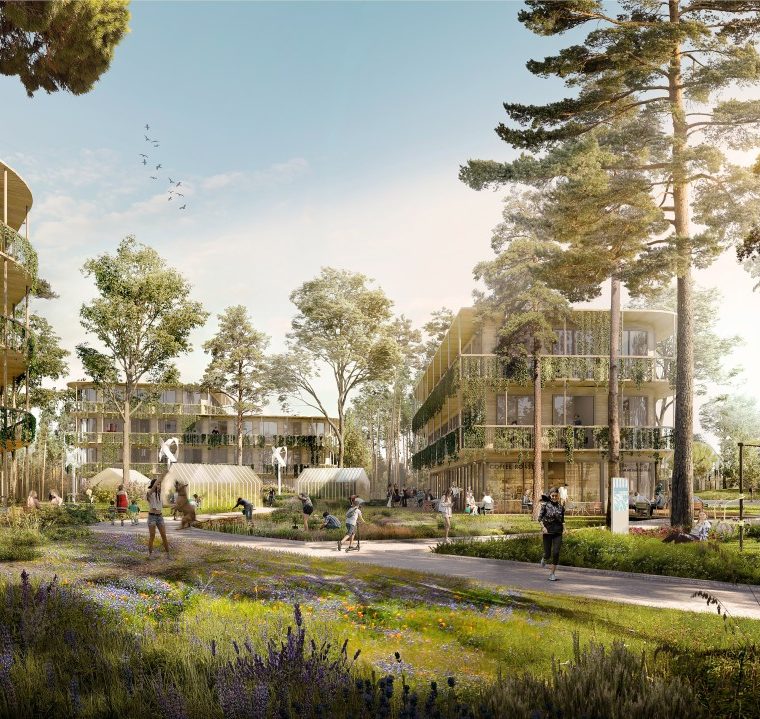
Shared spaces are at the heart of collective living. Designers are reimagining traditional housing layouts by incorporating communal areas such as shared kitchens, living rooms, gardens, and recreational spaces. These shared spaces encourage residents to interact, collaborate, and build relationships, fostering a strong sense of community. Furthermore, flexible and multifunctional spaces allow for a variety of activities and accommodate changing needs over time.
- Balancing Privacy and Community
While collective living emphasizes community, it is essential to strike a balance between privacy and shared experiences. Designers are incorporating private living spaces within the overall design, ensuring that residents have personal retreats while still being integrated into the larger community. This balance allows individuals to engage with the community as desired while respecting their need for privacy. Design solutions such as soundproofing, private balconies or terraces, and individualized storage areas contribute to a sense of personal space.
- Accessibility and Inclusivity
Collective living should prioritize accessibility and inclusivity. Designers are incorporating universal design principles to create spaces that are accessible to people of all ages and abilities. Barrier-free environments, inclusive amenities, and thoughtful design considerations ensure that collective living communities are welcoming and accommodating to everyone. This includes features such as wheelchair-accessible entrances, tactile indicators for visually impaired individuals, and adjustable height countertops for diverse user needs.
- Overcoming Challenges
Collective living often faces challenges related to zoning regulations, building codes, and legal frameworks. To promote the growth of collective living communities, policymakers and urban planners need to adapt regulations to accommodate these innovative housing models while ensuring safety and compliance. The establishment of specific zoning categories for collective living and the provision of regulatory incentives can facilitate the development and expansion of such communities.
Community Governance and Participation
Successful collective living relies on active community governance and resident participation. Establishing effective governance structures, facilitating decision-making processes, and encouraging residents to take ownership of their community are essential for long-term sustainability and harmony. Regular community meetings, collaborative decision-making platforms, and the establishment of shared responsibilities and protocols foster a sense of ownership and collective responsibility among residents.
Changing Social Paradigms
Collective living challenges traditional notions of homeownership and individualistic living. To overcome societal resistance and skepticism, there is a need for educational campaigns, public awareness initiatives, and showcasing successful collective living case studies. Shifting social paradigms requires a collective effort from architects, community leaders, and policymakers. Engaging with local communities, hosting open houses, and promoting the benefits of collective living can help change perceptions and foster acceptance.
Conclusion
Collective living presents a promising solution to the pressing challenges of housing affordability, social isolation, and sustainability. Through thoughtful design, incorporating shared spaces, and fostering a sense of community, architectsو urban planners are reshaping the built environment to create sustainable and inclusive communities. Overcoming legal challenges, promoting active community participation, and challenging social paradigms are crucial steps toward realizing the potential of collective living in modern design. By embracing this innovative approach, we can create vibrant and resilient communities that prioritize collaboration, well-being, and collective prosperity. With continued efforts from stakeholders, collective living can transform the way we design and live in our cities, providing a blueprint for a more sustainable and connected future.