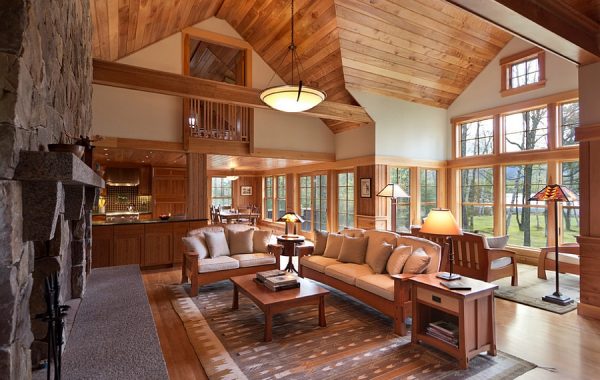


In the ever-evolving landscape of design, the intersection of tradition and modernity has given rise to a captivating fusion, especially in woodwork. This article delves into the delicate art of combining tradition and modern flair in wood design. It explores how contemporary pieces draw inspiration from time-honored techniques to create a harmonious synthesis of the old and the cutting-edge.
This fusion is marked by a combination of traditional craftsmanship and innovative use of materials, resulting in unique pieces that evoke a sense of timeless beauty. Through this unique blend of traditional craftsmanship and modern materials, woodwork has become more dynamic than ever before, with endless possibilities for creative expression.
Roots in Tradition
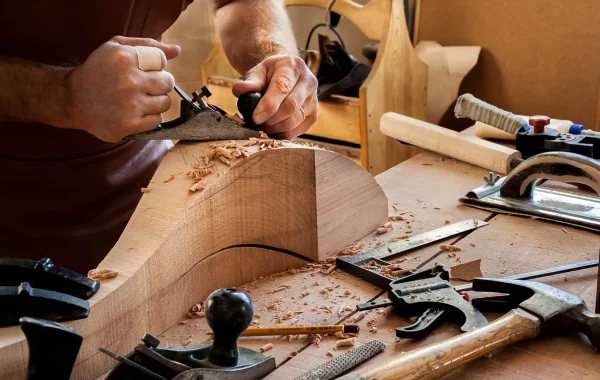
At the core of this synthesis lies a deep appreciation for woodworking traditions. Craftsmen draw inspiration from classical techniques, paying homage to joinery, carving, and woodworking methods passed down through generations. These traditions provide a foundation, a timeless language that adds depth and character to contemporary wood design.
Modern materials and technologies enrich wood’s language, allowing for various approaches and expressions. By combining ancient and contemporary techniques, craftsmen can produce unique pieces that are timeless and contemporary. This combination of traditional and updated techniques allows for the creation of visually striking and functional pieces.
Craftsmen can use modern materials and technologies to create intricate patterns and shapes that highlight wood’s natural beauty, while still maintaining traditional craftsmanship passed down through generations. By combining the two techniques, craftsmen can create pieces that feel old and new at the same time, giving each piece a sense of modern relevance while still maintaining its classic charm. This combination of old and new gives each piece a unique look and ensures that it will remain relevant for generations to come.
Embracing Timeless Materials
One of the key elements in the marriage of tradition and modernity is the continued use of timeless materials. While contemporary design introduces various materials, wood remains constant. Wood’s warmth, texture, and versatility provide a familiar canvas upon which designers can integrate tradition with modern aesthetics. This creates pieces that resonate with both the past and the present. Wood also is an eco-friendly choice, as it is a natural and renewable resource.
In addition, it is a sustainable material, as it is biodegradable and can be reused and recycled. Wood is also durable and long-lasting, making it the perfect choice for any design project. Furthermore, wood is relatively inexpensive compared to other materials, and its natural beauty makes it a popular choice for interior designers.
Contemporary Forms, Timeless Craftsmanship
Contemporary forms juxtaposed with timeless craftsmanship are hallmarks of this design approach. Modern lines, geometric shapes, and innovative structures coalesce with meticulous handiwork. This synergy results in pieces that meet today’s functional demands but also carry soulful echoes of craftsmanship from eras passed by.
The effect is a union of old and new, resulting in a timeless design that will never go out of style. These unique pieces combine beauty, functionality, and craftsmanship, making them a treasured part of any home. Each piece is carefully crafted to deliver the highest quality, and attention to detail is evident in each design. The finished product is a testament to the creativity and skill of the artisans who created it. It is also a reminder of craftsmanship.
The combination of old and new elements ensures that the design remains classic and never goes out of style. The intricate craftsmanship ensures that the piece is of the highest quality, and the unique elements of the design make it stand out from any other piece of furniture. Ultimately, it is a timeless and treasured piece that will remain in homes for generations to come.
Innovative Techniques, Rooted in History
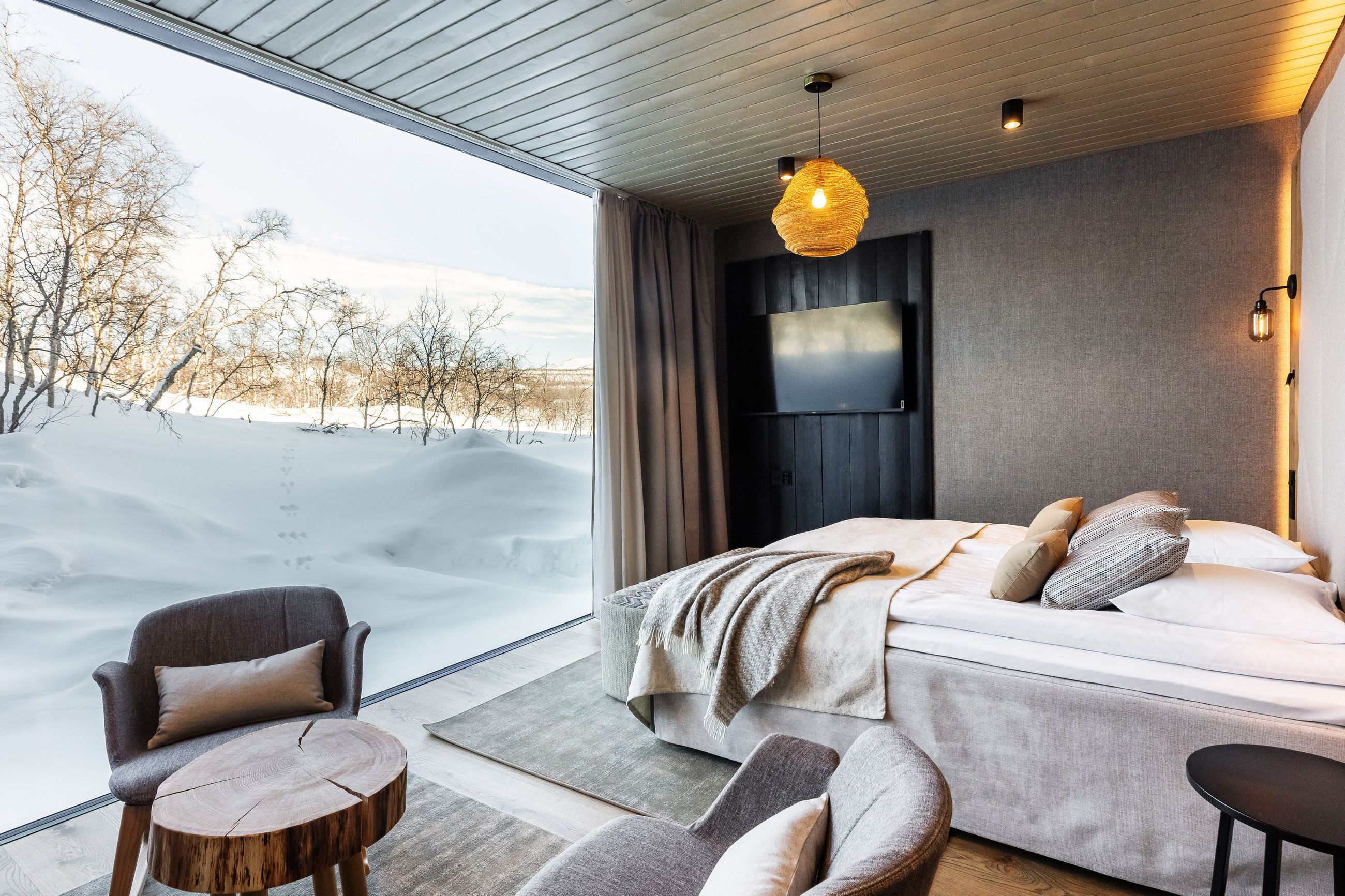
Modern woodworking techniques weave into old practices. The incorporation of technology, precision tools, and advanced finishes enhances the craft’s efficiency and precision. However, these innovations are guided by a respect for the integrity of the material and a commitment to preserving the essence of traditional woodworking methods.
This blend of old and newly creates unique pieces that combine the beauty of traditional craftsmanship with the power and accuracy of modern technology. The resulting pieces are both timeless and one-of-a-kind. The craftsmen use traditional methods of joinery and woodworking techniques, such as mortise and tenon joints, dovetail joints, and dovetail splines, to create intricate and precise pieces.
They also use modern tools and techniques, such as lasers, CNC machines, and 3D printing, to create intricate, detailed, and intricate designs that would be impossible to create manually. The combination of traditional craftsmanship and modern techniques creates a blend of old and new, resulting in a piece that is unique and timeless.
Balancing Ornamentation and Simplicity
The harmonious marriage of tradition and fresh flair involves a delicate balance between ornamentation and simplicity. While traditional woodworking often embraces ornate detailing, contemporary design favors clean lines and minimalism. The synthesis of these elements results in pieces that are both visually striking and functionally efficient.
This is a balance that appeals to diverse tastes. This balance also reflects the changing needs of modern living, as homeowners seek to create modern spaces without compromising on traditional craftsmanship. This combination of traditional and modern design elements ensures that each piece is timeless and classic.
The synthesis of traditional and modern design elements allows for the creation of pieces that are highly functional, aesthetically pleasing, and able to stand the test of time. This combination of elements creates a balance between modern living and traditional craftsmanship, ensuring that the pieces will remain relevant and stylish for years to come.
Functional Art for Modern Spaces
Wood design that combines tradition and modern flair transcends mere functionality; it becomes functional art. Pieces created through this process serve not only practical purposes but also contribute to the aesthetics of modern spaces. Whether it’s a sculptural chair, a minimalist desk, or an innovative shelving unit, each piece becomes a conversation between the past and the present. This conversation is further enhanced by the skilled craftsmanship of the designer.
Each piece is unique and special, making it a truly meaningful addition to any space. Wood design is truly an art that can be enjoyed for generations to come. The designer can create something that is both timeless and functional, and the beauty of wood is a natural part of the design. The craftsmanship of the piece is what makes it so special, as the designer must carefully select the type of wood and the grain pattern, and use precise cuts to create such an exquisite and intricate piece.
Conclusion: A Tapestry of Time
In conclusion, the art of combining tradition and modern flair in wood design creates a tapestry of time, where history threads interweave with the contemporary. The result is a collection of pieces that celebrate woodworking’s legacy while embracing innovation.
In the delicate dance between tradition and modernity, the wood design emerges as a living testament to the enduring beauty of a craft that evolves yet remains rooted in its timeless traditions. This legacy is further reinforced by the craftsmanship and skill of woodworkers, who bring passion and dedication to every piece they create. It is a reminder of the importance of preserving and honoring our heritage and creating something meaningful and lasting for the future.